
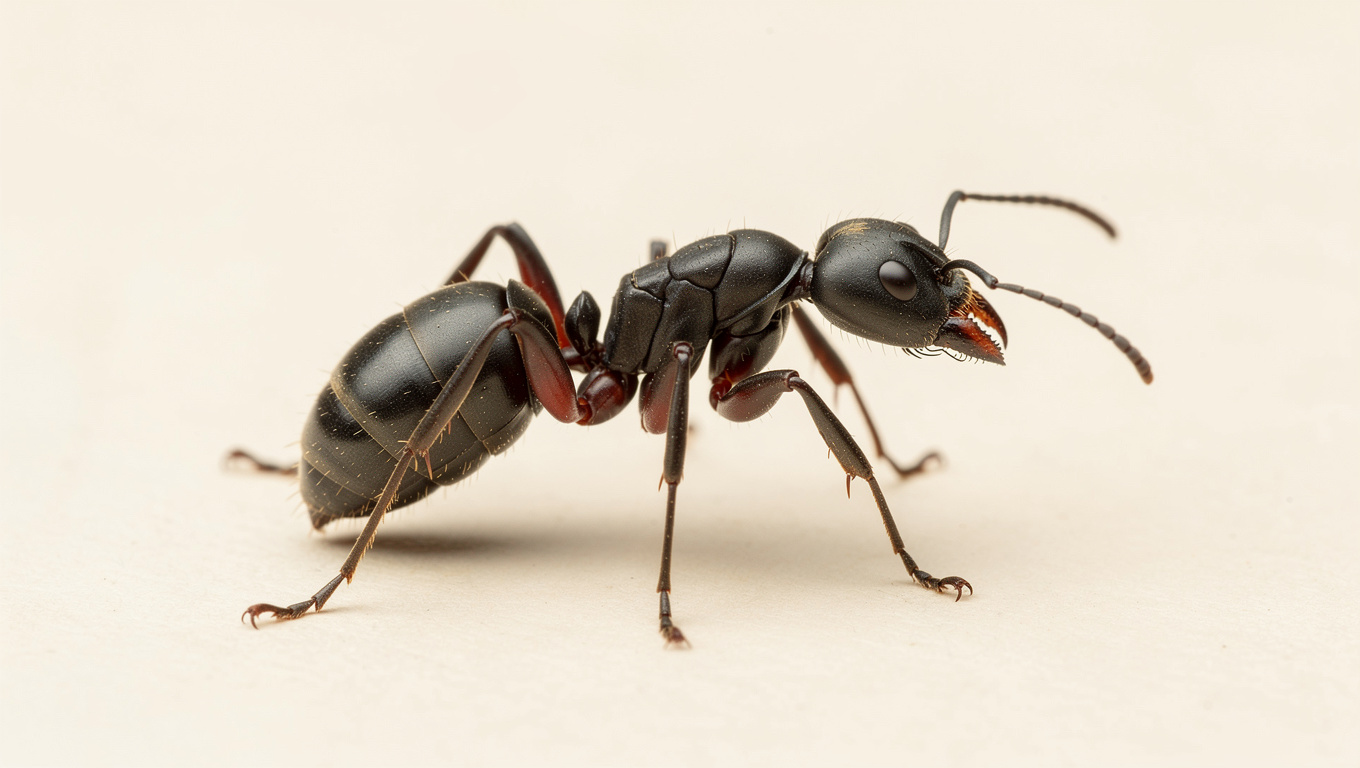
Why carpenter ant activity is specific to Dunbar
Dunbar sees more carpenter ants per home than any other Vancouver neighbourhood we service, and it's not subtle. The neighbourhood's tree canopy — mature Western red cedars, Douglas firs, and big-leaf maples — keeps rooflines in partial shade for most of the day. Roof decks stay damp. That plus the heritage building stock (lots of pre-1940 Craftsman with cedar shingles and deep overhangs) produces the moisture signature Camponotus modoc colonies thrive in. Parent colonies typically live in dead branches of street trees; satellite colonies establish in roof returns, deck ledgers, and window frames. A single mature carpenter ant colony can send foragers 100+ metres, so if your neighbour has ants, you will too.
Local signs in Dunbar
- Coarse frass beneath fascia boards and deck ledger joints.
- Night-time trails from base of cedars to foundation vents.
- Winged reproductives at kitchen windows in late April.
- Hollow-sounding window frames on west-facing elevations.
- Dead-branch parent colonies in street cedars along West 41st.
Seasonality in Dunbar
Dunbar swarmer flights peak mid-April through late May, slightly earlier than east-side blocks. Foraging activity runs through October in mild years.
What to do right now
Book a carpenter-ant inspection before a second season — mature Dunbar colonies accelerate quickly once they establish a satellite inside the building envelope.
Book Carpenter Ant service in Dunbar
Same-day pest control across Dunbar, 7 days a week 7am–9pm. We give you a realistic appointment window on the booking call rather than a best-case promise. Dunbar Street village and 16th Avenue corridor typically earlier in the same-day window; deep-west Dunbar toward Camosun and Pacific Spirit Park later in the day during peak demand. Every treatment is documented with photos, a 60-day pest guarantee, and 3-year exclusion warranty.